_edited.png)
10 Best Dishes for Group Dining

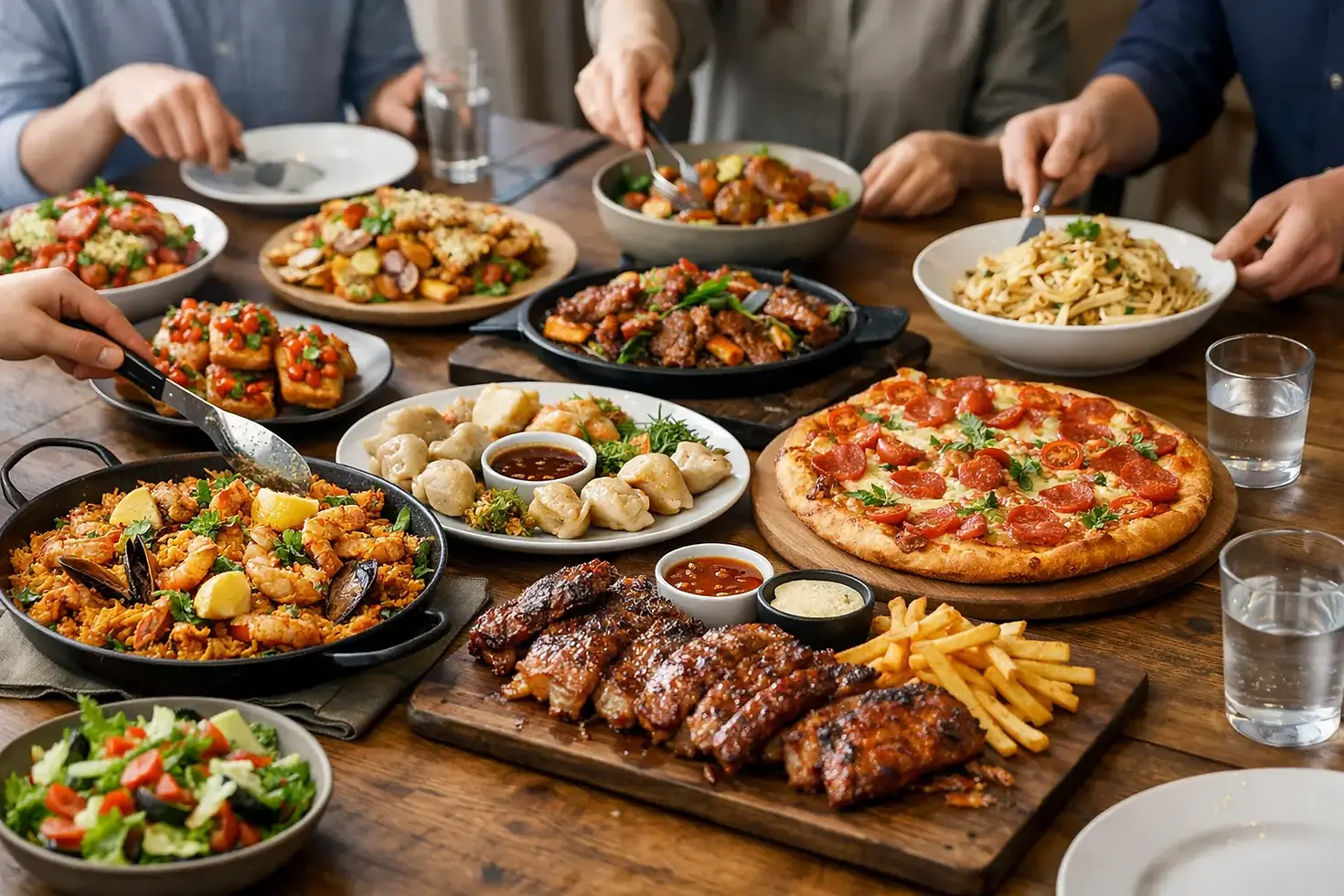
The mood of a table changes the moment the right dish lands in the center. Conversation lifts, glasses pause midair, and suddenly dinner feels less like a series of individual orders and more like a shared experience. That is why the best dishes for group dining are not simply large portions. They are dishes designed to create rhythm, generosity, and a sense of occasion.
In a refined setting, group dining asks for more than convenience. It calls for contrast, pacing, and a little theater. A table of friends celebrating in English Harbour, a family gathering after sunset, or colleagues settling into a long evening all want the same thing in different forms - food that invites interaction without sacrificing elegance. The most memorable menus understand that balance.
What makes the best dishes for group dining work
A strong group dining dish does two jobs at once. First, it has to satisfy across different tastes and appetites. Second, it has to contribute to the atmosphere of the evening. Some dishes arrive with visual drama, some offer comfort and familiarity, and some keep the palate bright between richer courses. The most successful tables rarely lean too heavily in one direction.
Texture matters as much as flavor. A meal built entirely around soft, rich plates can feel heavy before the evening has found its pace. A table that blends chilled seafood, crisp elements, warm grilled dishes, and a few deeper savory notes feels more composed. That is part of the craft behind excellent shareable dining - each plate should feel distinct, yet connected.
Portion style also plays a role. Not every dish labeled shareable truly works for a group. Some are awkward to divide, while others lose their integrity after the first serving. The best choices are generous by design, easy to pass, and rewarding from first bite to last.
10 best dishes for group dining
1. Ceviche platters
Ceviche is one of the most graceful ways to begin a shared meal. It feels celebratory from the first glance, especially when presented with color, citrus, and careful knife work. The bright acidity keeps the table energized, and its clean finish leaves room for what comes next.
For groups, ceviche works best when there is variety - perhaps different seafood, changing levels of heat, or a few tropical notes woven in. That range invites guests to compare, trade impressions, and return for another spoonful. It is a natural conversation starter, which is exactly what a first course should be.
2. Sushi and sashimi assortments
Few dishes suit group dining with the same precision as a beautifully composed sushi and sashimi selection. It offers elegance without heaviness and allows each guest to sample at their own pace. A well-balanced assortment also accommodates different preferences, from delicate sashimi to more familiar rolls.
There is, however, a small trade-off. Sushi is best enjoyed fresh and in rhythm, so timing matters. It shines when served early in the meal, before larger hot dishes arrive. In the right sequence, it adds refinement and keeps the evening feeling polished rather than overindulgent.
3. Robata-grilled skewers
Robata-grilled skewers bring warmth, aroma, and a quiet kind of drama to the table. The char, the smoke, and the concentrated flavor make them especially satisfying in a group setting where people want something substantial without committing to a single heavy centerpiece.
The beauty of skewers is their range. Seafood, vegetables, and premium cuts can all appear together, giving the table a layered experience. They are especially effective when guests have mixed preferences, because no one feels boxed into one style of dish.
4. Shared crudo plates
Crudo has a softer, more restrained energy than ceviche, but for the right crowd, that restraint is part of the appeal. Thin slices of pristine fish dressed with citrus, oil, herbs, or subtle heat create a dish that feels luxurious and intentional.
This is one of the best dishes for group dining when the occasion calls for sophistication over abundance. It suits smaller parties particularly well, or larger groups that appreciate a sequence of lighter courses before richer mains. The key is quality. With crudo, every detail is exposed.
5. Korean BBQ table experiences
Interactive dining changes a group’s energy in the best way. Korean BBQ at the table turns dinner into an occasion with movement, aroma, and participation. Guests become part of the experience, cooking, sharing, and responding to each stage together.
This style works especially well for celebrations and social groups who want the meal to unfold over time rather than arrive all at once. It is less suited to very formal business dinners where ease and pace matter more than interaction. But for lively evenings, few formats feel more memorable. At KŌYΛ Antigua, that kind of table can become the center of the night.
6. Whole grilled fish
A whole grilled fish brings presence. It arrives as a centerpiece, often beautifully finished, and naturally draws the eye. For guests who appreciate seafood and presentation, it offers both delicacy and depth.
It also has practical value for group dining. Served with the right accompaniments, it is easy to portion and elegant to share. The only consideration is the group itself. Some diners love the visual honesty of a whole fish, while others prefer filleted preparations. If the table leans adventurous and food-focused, it is usually a strong choice.
7. Large-format grilled meats
For groups that want a richer, more indulgent direction, large-format grilled meats deliver satisfaction and ceremony. Whether carved tableside or plated for sharing, they create a sense of abundance without losing refinement when done well.
These dishes are ideal as anchors later in the meal, especially when balanced with brighter sides or seafood to prevent the table from feeling too dense. The pleasure is not just in the flavor, but in the pacing. A shared grilled cut encourages guests to settle in, pour another glass, and stay a little longer.
8. Signature rice dishes
A thoughtfully prepared rice dish often becomes the plate everyone keeps reaching for. It grounds the meal, absorbs sauces beautifully, and offers comfort beneath the more dramatic elements on the table.
For group dining, rice works best when it carries enough personality to stand on its own - perhaps with seafood, grilled vegetables, herbs, or layered spice. It should never feel like filler. A great rice dish brings harmony, connecting chilled starters and grilled mains in a way that feels effortless.
9. Vegetable plates with character
Not every shared dish needs to be rich to feel generous. Vegetable plates, when treated with the same care as premium proteins, bring freshness and contrast that a group meal genuinely needs. Charred corn, blistered greens, roasted mushrooms, or crisp seasonal preparations can refresh the palate and add color to the table.
These plates are often underestimated, yet they quietly improve everything around them. They are especially valuable when the menu includes sushi, grilled meats, or heavier sauces. Without that balance, even a beautiful spread can start to feel one-note.
10. Desserts made for passing around
A shared dessert course closes the evening with warmth and ease. Instead of individual endings, a table of desserts invites one final round of interaction - one guest claiming the last spoonful, another insisting everyone try the citrus note, someone ordering an extra cocktail because the night clearly is not over yet.
The best group desserts offer contrast. Something cold, something rich, something bright. That balance matters here just as much as it does earlier in the meal. A dessert spread should feel like a graceful final act, not an afterthought.
How to choose the right mix for your table
The best dishes for group dining are rarely all from the same category. A table tends to feel most complete when the meal moves in waves: something bright to open, something raw or chilled for refinement, something grilled for warmth, and a few grounding sides that bring everyone back to the center.
Group size changes the approach. Smaller parties can be more delicate and selective, choosing a few standout plates with intention. Larger groups benefit from range and repetition - enough variety to please different palates, with enough volume that no dish disappears before everyone has had their share.
The occasion matters too. A birthday dinner might call for interactive formats and dramatic mains. A polished client evening may work better with elegantly paced courses that keep the table comfortable and conversation easy. Neither is better. The right choice depends on the mood you want to create.
Why shared dining feels more memorable
There is a reason people remember certain dinners long after they forget the details of others. Shared dining creates participation. It gives the table a rhythm, a sense of movement, and a feeling that the meal belonged to everyone rather than to a set of separate plates.
When the food is crafted with care, that feeling becomes even stronger. A ceviche passed across the table, skewers still warm from the grill, a whole fish opened for sharing, a final dessert everyone insists on tasting - these are small rituals, but they shape the evening. They turn dinner into connection.
If you are planning your next celebration, gathering, or long-awaited night out, choose dishes that invite people in. The most memorable table is not always the one with the most courses. It is the one where every plate gives people another reason to stay.


Comments