_edited.png)
Best Sake for Sushi Pairing

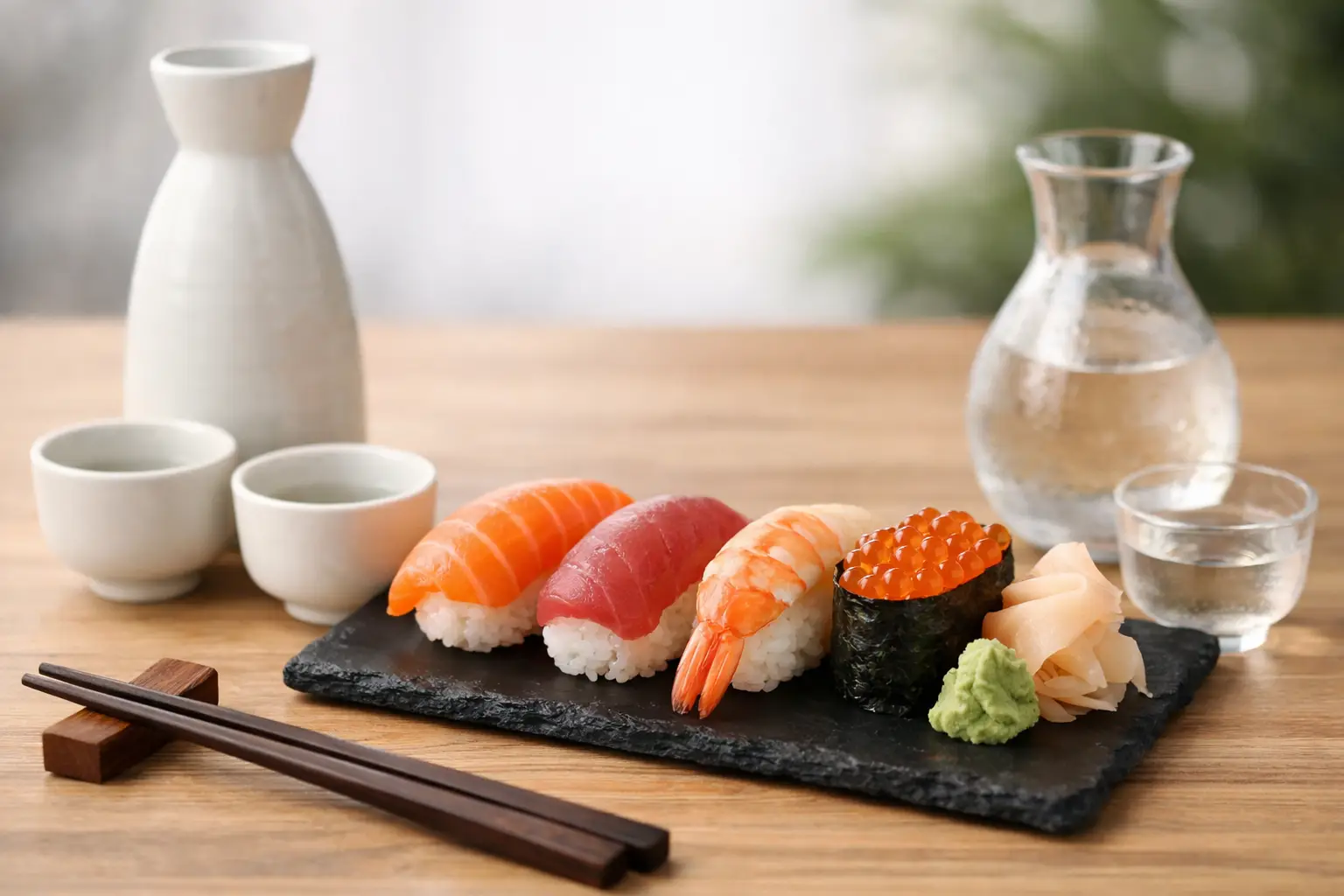
A great sushi pairing can change the entire mood of the table. The best sake for sushi pairing is not always the most expensive bottle or the most fragrant pour - it is the one that lets the fish feel vivid, the rice stay expressive, and the overall experience move in harmony.
That is what makes sake such a graceful companion to sushi. Wine often works through contrast, but sake tends to work through texture, temperature, and quiet balance. It can lift sweetness in scallop, soften salinity in soy, and bring calm to the richness of toro without pulling attention away from the craft of the plate.
What makes the best sake for sushi pairing?
The first answer is restraint. Sushi is precise, and the best pairings respect that precision. A sake with too much sweetness, too much oak-like weight, or an aggressive aromatic profile can dominate the fish. In most cases, you want a style that feels polished, clean, and layered rather than loud.
Acidity matters, but in sake it behaves differently than in wine. Instead of sharp edges, you often get softness and a rounded structure that sits comfortably alongside rice. That makes sake particularly suited to nigiri and sashimi, where vinegared rice is not a side note but part of the pairing equation.
Texture matters just as much as flavor. Lean white fish often shines with a light, silky sake. Richer cuts, lightly torched pieces, or sauces with sweetness can handle more depth. The point is not to memorize rules. It is to notice whether the sake gives the sushi more clarity, more length, and more pleasure.
Start with the sushi, not the bottle
The most elegant pairings begin by reading the plate. Sushi is never just fish. It is fish, rice, temperature, fat, seasoning, garnish, and sometimes smoke, citrus, or heat. A clean piece of hirame asks for something different than salmon with a brushed glaze or a Nikkei-style bite touched with bright Peruvian acidity.
That is why a single "best" sake is really a family of styles. If your table moves from delicate sashimi to richer nigiri and then into bolder flavors, the ideal pairing may shift with the meal. For a refined dining atmosphere, that evolution is part of the pleasure. Every course can feel like a new conversation between craftsmanship and mood.
For delicate white fish and subtle sashimi
When the fish is mild, the sake should feel almost weightless. Junmai ginjo and ginjo styles are often the safest and most beautiful place to begin. They tend to offer a lifted aroma, a smooth palate, and enough freshness to support snapper, fluke, sea bream, or lightly dressed sashimi.
What you are looking for is purity rather than power. Notes of melon, pear, steamed rice, or soft florals can frame the fish without covering its finer details. Served slightly chilled, this style can make the whole bite feel brighter and more precise.
For salmon, tuna, and fuller-bodied nigiri
As the fish becomes more expressive, the sake can gain depth. Junmai ginjo still works beautifully here, but a well-balanced junmai can be even better if you want more structure and a subtle savory note. Tuna, salmon, amberjack, and yellowtail often benefit from that extra body.
This is where the rice itself becomes more visible in the pairing. A sake with gentle umami can connect the fish to the seasoned rice in a way that feels complete. The result is not dramatic contrast. It is cohesion.
For toro, uni, and richer textures
Fatty tuna and sea urchin ask for confidence. A very delicate sake can disappear beside them, while an overly aromatic one can create a strange perfume effect. In these pairings, fuller junmai styles and some aged expressions can be compelling, especially if they carry nuttier, earthier, or more savory tones.
Temperature also changes the experience. Slightly warmer sake can deepen umami and create a more enveloping texture, which suits richer sushi particularly well. It depends on the bottle, of course. Some premium styles lose their elegance when warmed, while others become more soulful and resonant.
Best sake styles for sushi pairing
If you want a reliable framework, focus on style before brand. That approach keeps the pairing intuitive and allows room for personal taste.
Junmai ginjo is often the most versatile answer to the question of best sake for sushi pairing. It has enough aromatic lift to feel special and enough restraint to stay food-friendly. For mixed sushi platters, it is frequently the smartest first bottle.
Junmai is ideal when you want more texture and subtle umami. It pairs especially well with tuna, salmon, eel, and sushi touched by soy-based seasoning. It can feel slightly broader on the palate, which gives it more range with savory dishes.
Ginjo, non-junmai or otherwise, works best when the meal leans delicate and clean. It has elegance, freshness, and a polished finish that suits sashimi and lighter nigiri.
Daiginjo can be exquisite, but it is not always the automatic choice. Its fragrance and refinement can be stunning in the right setting, yet some bottles are almost too ethereal for boldly seasoned sushi. If the fish is very subtle and the preparation minimal, daiginjo can feel extraordinary. If the dish carries sweetness, smoke, or spice, it may feel overshadowed.
Nigori is the style people often reach for out of curiosity, but it is more situational. Its creamy texture and sweeter profile can work with spicy tuna rolls or richer, more casual sushi preparations, though it is usually less successful with refined nigiri. It depends on whether you want harmony or contrast.
How soy sauce, wasabi, and citrus change the match
Many pairing conversations focus only on the fish, but seasoning can tilt the entire balance. Soy sauce adds salt and umami, which can make a dry, clean sake taste even more refined - or expose it as too thin. Wasabi introduces heat and aroma, so a sake with excessive fragrance may clash rather than complement.
Citrus is especially relevant in Nikkei cuisine, where brightness and acidity often play a larger role. A touch of yuzu, lime, or leche de tigre style influence calls for a sake with freshness and poise. In those moments, lighter ginjo and junmai ginjo styles tend to keep the dish feeling vibrant rather than heavy.
Sweet glazes are another story. Eel sauce or brushed reductions create richness and shine, and that usually asks for more body in the sake. A lean, highly delicate pour may simply vanish.
Serving temperature is part of the pairing
One of sake's quiet advantages is how much temperature can shape the experience. Chilled sake emphasizes freshness, fruit, and precision. That makes it ideal for delicate fish, cooler courses, and a crisp, polished start to the meal.
Room temperature reveals more texture and savory depth. It can make junmai styles feel fuller and more expressive, especially with medium-bodied sushi.
Warm sake is often misunderstood because many people associate it with lower-quality pours. In reality, the right sake served gently warm can be beautiful with richer fish, grilled elements, or umami-driven dishes. The pairing feels more enveloping, more intimate, and often more gastronomic.
A few smart pairings to remember
If you prefer simple guidance, think in terms of weight and finish. Fluke or snapper with ginjo feels airy and precise. Salmon with junmai ginjo feels smooth and balanced. Toro with a fuller junmai can feel deep and luxurious. Eel often welcomes a sake with savory character and a little warmth.
For spicy rolls, nigori or a fruit-forward ginjo can offer relief, though that style is better with contemporary rolls than traditional sushi service. For omakase, a restrained junmai ginjo remains one of the most graceful choices because it can move across several courses without fatigue.
At a destination restaurant like KŌYΛ Antigua, where Japanese technique meets vibrant layers of Peruvian and Caribbean expression, the most memorable pairings often come from reading the seasoning as closely as the fish. That is where sake becomes more than a beverage. It becomes part of the sensory journey.
The most common mistake
People often choose sake the way they choose Champagne for a celebration - by prestige first. But with sushi, prestige means less than alignment. A rare bottle that overwhelms the plate is not a luxury. A well-chosen bottle that brings calm, texture, and length to each bite is.
The other mistake is assuming one style must work for everything. If your table includes sashimi, nigiri, spicy rolls, and grilled dishes, there may not be one perfect bottle. There may be one excellent opening bottle and a better second choice once the flavors deepen.
The best sake for sushi pairing is the one that makes the meal feel more complete, more connected, and more alive to nuance. If you start with the weight of the fish, the character of the seasoning, and the atmosphere you want to create, the right pour usually reveals itself.


Comments