_edited.png)
How to Host Rehearsal Dinner With Real Atmosphere

The ceremony may be tomorrow, but the rehearsal dinner is where the wedding weekend first becomes personal. Learning how to host rehearsal dinner guests well is less about following a rigid formula and more about creating a room where two families, old friends, and new connections can settle into the same rhythm. Done thoughtfully, it becomes the evening everyone remembers for its warmth, not its schedule.
A beautiful rehearsal dinner should feel like a release after the logistics of the day. It is the first chance for the couple to be fully present with the people who have traveled, supported, and celebrated them. The setting, menu, pace, and guest list all shape that feeling.
Begin With the Feeling You Want to Create
Before choosing a restaurant or sending an invitation, decide what the evening should hold. Some couples want an elegant, candlelit dinner with speeches and a curated menu. Others prefer a vibrant gathering with shared plates, cocktails, and music that carries long after dessert. Neither is more meaningful. The right choice depends on the couple, the wedding itself, and the people in the room.
A formal black-tie wedding does not require an equally formal rehearsal dinner. In fact, contrast can be refreshing. A relaxed waterside meal or an intimate private dining experience may give guests a more natural opportunity to connect before the larger celebration. Conversely, if the wedding is small and understated, the dinner can be the moment for a little more theater.
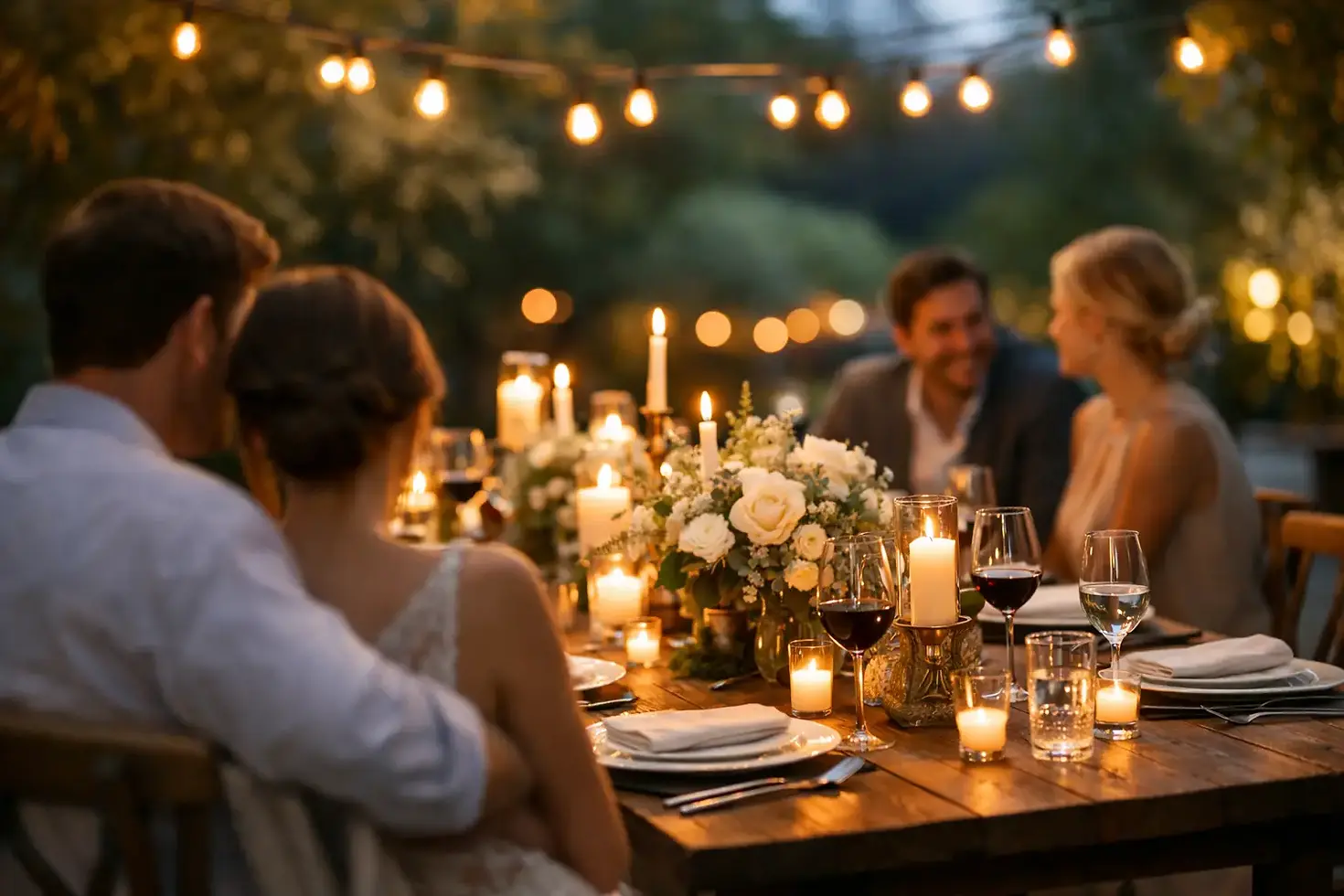
Think in sensory terms. Do you imagine the glow of low light, chilled sparkling wine, and conversation unfolding slowly across a long table? Or do you picture the energy of a lively dining room, grilled aromas from the kitchen, handcrafted cocktails, and plates designed to share? When the feeling is clear, every practical decision becomes easier.
How to Host Rehearsal Dinner Guests With Intention
The rehearsal dinner guest list is usually smaller than the wedding list, but there is no single rule. Traditionally, it includes the wedding party, immediate family, officiant, and out-of-town guests. Many couples now invite all wedding guests, especially when the wedding is a destination event or the total count is intimate.
The key is clarity. If the dinner is limited to a close circle, communicate that directly and graciously. If more guests will be joining later for drinks or dessert, make that distinction clear on the invitation. No one should need to guess whether they are expected at dinner, welcome to stop by, or included only in the next day's festivities.
For destination weddings in Antigua, guests often arrive with a desire to experience the island as much as the occasion. A rehearsal dinner can answer that desire without becoming a tourist performance. Let the evening reflect the place through fresh local ingredients, a sense of openness, Caribbean warmth, or a view that makes the journey feel worthwhile. The most memorable events feel rooted in their setting rather than staged against it.
Timing deserves just as much care. Plan the dinner early enough that guests can enjoy it without worrying about a late night before the ceremony. A start time around 6:30 or 7:00 p.m. often gives the evening an unhurried flow while still leaving space for rest. Build in time after the rehearsal itself, especially if travel between venues is involved. A rushed arrival changes the entire mood.
Choose a Venue That Carries the Evening
A venue should do more than accommodate a headcount. It should support the kind of connection you want guests to have. Private rooms are ideal when heartfelt speeches and uninterrupted conversation are central to the night. A semi-private terrace or a beautifully appointed section of a restaurant can offer more energy while still giving the group a sense of occasion.
Look beyond photographs when choosing the space. Consider acoustics, lighting, service style, and how guests will move through the evening. A dramatic room is less useful if guests cannot hear a toast. An ocean view is less romantic if the table layout leaves half the party turned away from it. Ask to see the exact space, discuss the rain plan for outdoor events, and understand whether the area will feel private once service begins.
For a dinner that blends celebration with culinary discovery, a destination restaurant can create the kind of atmosphere a blank event room rarely achieves. At KŌYΛ Antigua, the meeting of Japanese precision, Peruvian flavor, and Caribbean soul lends itself naturally to a celebratory table, where sushi, ceviche, robata-grilled dishes, and thoughtful sake or cocktail pairings turn dinner into a sensory journey.
Let the Menu Encourage Connection
The best rehearsal dinner menu is generous, considered, and easy to enjoy. This is not always the moment for an overly complex, tightly timed tasting menu, particularly after a rehearsal day when guests may be tired, sun-kissed, or arriving from flights. A menu with a sense of abundance and a graceful pace usually lands better.
Shared starters create immediate conversation. Passing dishes around the table gives people a reason to interact before introductions have found their way. Family-style service, chef-selected sharing plates, or a curated selection of small dishes can feel especially welcoming for groups that do not yet know one another well.
That said, plated service may be the better choice for a more formal evening or a large party. It offers structure, makes dietary planning simpler, and helps the kitchen maintain a polished cadence. There is a trade-off: plated meals can feel more ceremonial, while sharing menus bring a relaxed, communal energy. Choose the approach that fits the room, not merely the trend.
Dietary needs should be handled quietly and confidently. Ask for them with the RSVP, share them with the venue well in advance, and avoid making anyone feel like an exception at the table. A great host makes every guest feel anticipated.
Beverages deserve their own moment of planning. Welcome cocktails can signal that the evening has begun, while a concise wine or sake pairing can add an element of craft without slowing down the meal. A nonalcoholic option should feel equally celebratory - bright, composed, and served with the same care as every other glass.
Keep the Evening Structured, Not Scripted
A rehearsal dinner needs a little shape. Without it, speeches can happen too late, important people may never be acknowledged, and the evening can lose momentum. But too much programming turns a dinner into a production.
A simple sequence works beautifully: welcome guests, allow time for drinks and conversation, begin dinner, offer a few meaningful toasts between courses, and close with dessert or a final gathering point. Ask speakers in advance and encourage them to keep remarks heartfelt and brief. Three sincere minutes from a parent or lifelong friend often has more impact than a ten-minute story with no ending.
Consider who needs to be honored. The wedding party, parents, siblings, and anyone who has traveled far may deserve a moment of recognition. If gifts are being given to attendants or family, the rehearsal dinner provides a natural setting, though they need not become a public spectacle. A private note and a well-chosen gesture can carry just as much feeling.
Add Details That Feel Like the Couple
Personal details are strongest when they are subtle. A favorite cocktail served on arrival, place cards with handwritten notes, a menu that references a shared trip, or a song playing as guests enter can say more than elaborate décor. Choose one or two details with genuine meaning, then let the food, setting, and people do the rest.
Avoid trying to replicate the wedding reception. The rehearsal dinner has its own role: to soften the edges, welcome the inner circle, and create space before the ceremony. Guests do not need another formal event. They need a memorable evening that feels considered without feeling controlled.
As the night closes, resist the urge to keep adding plans. Offer a warm farewell, confirm any essential next-day details, and let everyone leave with enough time to breathe. The loveliest rehearsal dinners create anticipation, not exhaustion. When guests walk away feeling cared for, connected, and ready for what comes next, the celebration has already begun.


Comments